Applying for a Netherlands Short-Stay Schengen Visa in Ireland
YoungForest · https://youngforest.github.io/en/2022/12/15/Netherlands-Visa-from-Ireland/
I finally got the Netherlands Schengen visa I had been longing for in Dublin: a short-stay visa for visiting friends and relatives.

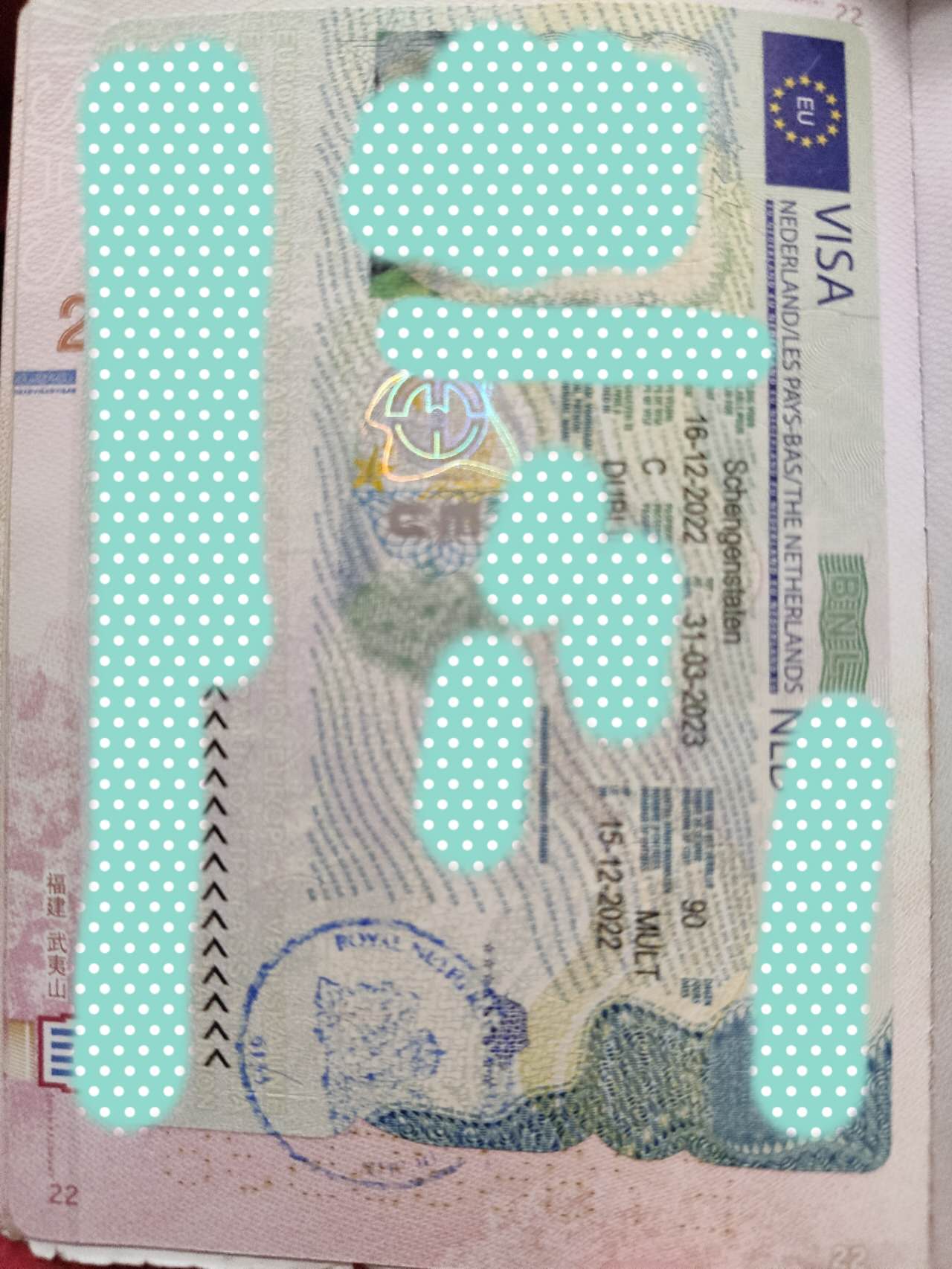
Because my friend was studying in Amsterdam and I was working in Ireland, and because Ireland is not part of the Schengen Area, if we wanted to visit each other, I needed to apply for a Schengen visa and she needed to apply for an Irish visa.
After arriving in Ireland at the end of October, I first needed to apply for a residence card. Only after having the residence card could I apply for the visa, so it dragged on until the end of October.
Timeline:
11.23 Filled out the application form online and prepared materials.
11.24 Found a visa appointment time slot online.
12.5 Submitted materials at the Visa Centre.
12.11 Got the Pfizer COVID vaccine.
12.16 Received the phone call to pick up my passport; this was also the start date of the visa validity.
12.19 Went to the Visa Centre to pick up the passport.
12.22 Flew into the Netherlands.
Cost:
- Application fee: about 18 euros, paid after filling out the application form.
- Visa fee: about 80 euros, paid when submitting materials at the visa center.
- Insurance fee: about 24 euros, spent when preparing insurance materials.
Total: about 125 euros.
I prepared the materials according to the checklist on schengenvisainfo. Short-term tourism is similar, though there are still some differences when actually applying.
- Copies of passport and IRP (residence permit). If you do not have copies, the staff on site can also help copy them, but it is still better to prepare them in advance.
- No photo needed.
- Copies of previous Schengen visas.
Other notes:
- Visa appointments are not easy to get. There are often no slots. You need to refresh every few hours to see whether any slots are released. I found one around noon, for a slot one and a half weeks later.
- Invitation letters can use templates found online. Note that the inviter’s signature needs to be in Chinese. At first the inviter only signed in English, but because it differed from the signature on her passport and residence permit copies, she needed to sign again and send an electronic version to the Visa Centre email.
- You can choose mailing or pickup. Mailing costs extra; pickup lets you get the passport faster. Because I was in a hurry and also lived in Dublin, I chose pickup.
- It is best to apply four weeks in advance. This time I wanted to reunite before Christmas, so it was rather rushed.
- It is best not to buy flight tickets in advance. You only need to provide flight information. You can use some online flight itinerary generators to generate it for free. Even if you buy tickets, buy refundable ones. I also randomly found a Travel Itinerary template online and modified it.
- The company’s Laya insurance seems to have European travel coverage, but I still bought Chill myself. You can search online for promotion codes and get 10% off. In the end it was 23.54 euros for one year. For insurance, I printed the personal-information page and coverage amount, basically everything I felt might be useful, though in the end the staff only took a few pages.
- Bank statements are best from an Irish local bank. Because opening a bank account was slow for me, I only had Bank of China statements. I needed to handwrite a cover letter to the embassy on site explaining it. I also provided my payslips to support my income.
- The final validity was only three and a half months, which was really stingy. I even wrote in the invitation letter that I wanted to go there every month. I also previously had a four-month Belgium Schengen student visa. But it is said that the second application may give two years, so I will apply again when my visa is about to expire.
- Because I was working, I asked HR for a Leave permission from the employer. It did not contain specific dates, because I wanted to go often. The content roughly said I would use 25 days of annual leave and work from home to cover time away from Ireland. HR also reminded me that I can work in another country for at most two weeks. I do not know what effect exceeding that would have.