Hua Shan Explains The Art of War
YoungForest · https://youngforest.github.io/en/2024/05/06/The-Art-of-War-by-Sunzi/
After watching The Knockout, I also came to read The Art of War. I could not understand the original, so I came to an interpretation. I also watched Lao Gao’s videos, and they are indeed impressive. Gao Qiqiang used one copy of The Art of War to settle Jinghai City, growing from a small fishmonger into the boss of both black and white forces. Of course, saying he relied only on The Art of War is somewhat exaggerated, but it was indeed a necessary condition. After reading it, I feel The Art of War is like the Nine Yin Manual in wuxia novels. Although it talks about military strategy, all things in the world have countless hidden connections behind them. Many of its principles are useful in business and even personal life, especially investing and personal finance. An information model I learned before says “wisdom, knowledge, and information” go from most important to least important, and from least numerous to most numerous. True wisdom is great principles made simple, explainable in just a few sentences. The Art of War mainly talks about wisdom and knowledge, and also about how to gather information and intelligence, which is why it has endured for five thousand years.
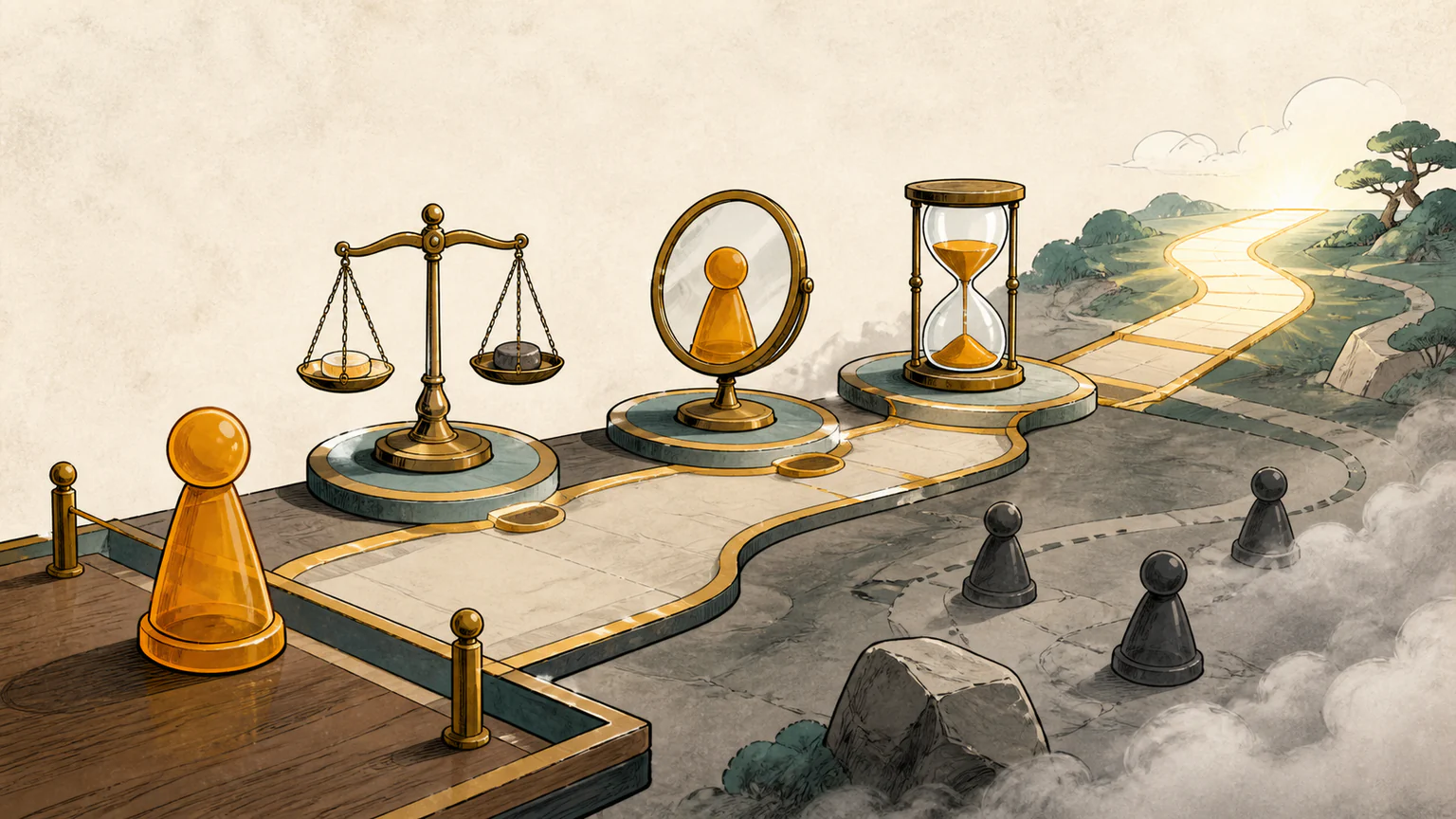
The points that inspired me most and are most valuable for ordinary life:
- First win, then fight. First calculate fundamentals, analyze the probability of victory and the cost-benefit ratio. Only if you can win should you launch the war. This is especially suitable for a relatively conservative person like me. Looking back over my 28 years of life, at important decision points, I indeed chose the more conservative and safer option. Although there were regrets, this really is the strategy more suitable for me. I am more risk-averse and very sensitive to margin of safety. But with safe options, the outcomes have actually been good. Slowly I obtained what I wanted, and my studies and career can be counted as successful.
- Know yourself and know your enemy; the key is knowing yourself. The older I get, and the more I understand the world and myself, the more I discover that there are too many things I do not know or understand. Compared with understanding the world, understanding oneself is harder and more important. The self alone is already so complex and interesting, including the classic three philosophical questions: “Who am I?”, “Where did I come from?”, and “Where am I going?” I have always believed that if one seeks benevolence, one obtains benevolence. Only by knowing what one wants can one ultimately obtain it. I am also a J-type person; I need a goal to move toward in order to live more peacefully.
- Plan before acting. Be able to wait and endure. Decide everything in one battle. It is like how the school motivated us before the Gaokao: there are only a few key nodes in life, while most of the time is hibernation and plainness. One must learn to enjoy, use, and cherish these quiet periods, and also make preparations, so that when opportunities or tests arrive, one can seize them. Investing is the same: operate less, care less about stock-market fluctuations, and if you have spare money, just go all in on the S&P 500.